
Reacher Stephen
Reacher Stack Citation Push: How to Turn TikTok Shop Creators Into Repeat Brand Citations
Learn what a citation push is in TikTok Shop affiliate marketing and how to run one with Reacher: personalized outreach, usage rights, Halo Effect attribution and a break-even ROAS model.
Reacher Pstack citation push
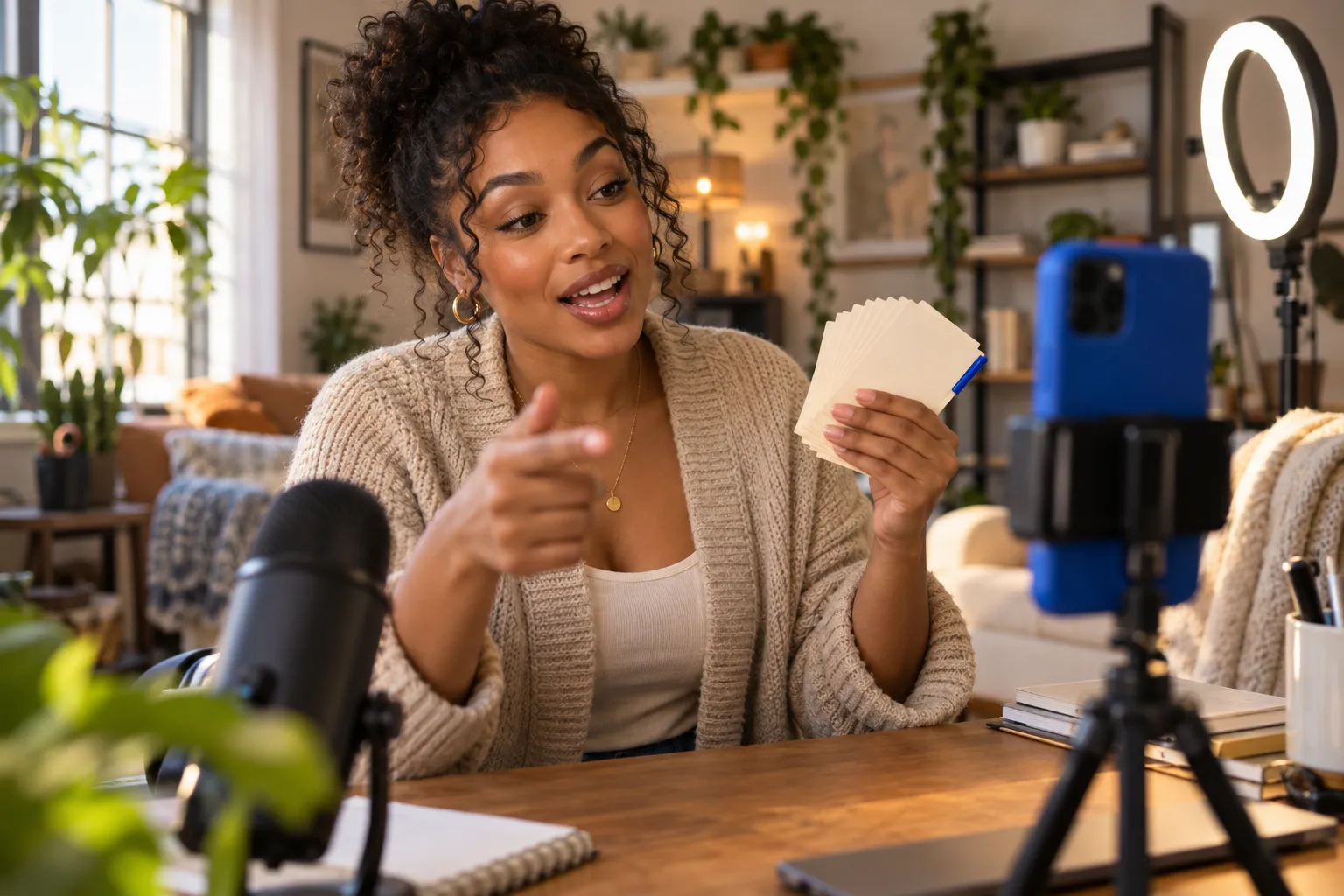
A Reacher Pstack citation push is a planned program that prompts creators to mention a brand repeatedly, then tracks those mentions as part of an affiliate workflow. It turns a one-off post into a repeatable process: define creator fit, send a relevant ask, and measure the activity that follows.
Key Takeaways
- A citation push treats creator mentions as a measurable channel, so you can build repeat brand exposure into your affiliate workflow instead of hoping a single post performs.
- The process rests on three steps: define creator fit, send a relevant ask, and track the resulting activity through one system.
- Automated outreach at up to 10,000 creators a day, with a unique message drafted per creator, gives brands the scale needed to sustain ongoing mentions.
- Reporting tools like the dashboard and cohort analysis let you measure whether each creator cohort keeps citing your brand over time, turning mentions into tangible growth.
The process starts with discovery and outreach.
What Is a Citation Push? A Definition for TikTok Shop Brands
A citation push is a measurable creator-mention program, not a single affiliate post. The brand recruits creators whose content and audience fit the product, gives them a clear reason to mention it, and plans for repeat activity. In TikTok Shop affiliate marketing, “citation” means a creator’s visible reference to the brand or product in content; it is not a formal academic citation.
Citation Push vs. a Single Affiliate Post
A one-time affiliate post is a discrete activation: one creator publishes, the brand reviews the outcome, and the relationship may go quiet. A push treats that post as one part of a larger creator program. A single post does not establish a repeatable mention pattern or show whether creators continue publishing after initial activation.
| Approach | Operating pattern | What the brand can learn |
|---|---|---|
| Single affiliate post | One creator activation with no planned follow-up | How that post performed during its reporting window |
| Citation push | Planned recruitment, brand mentions, and ongoing tracking | Which creators publish, repeat, and contribute to the program over time |
Why Mention Volume Collapses After Month One
Initial enthusiasm does not automatically produce another post. Creators may move to new campaigns, lack a timely prompt, or have no clear next step after the first activation. Make follow-up part of the operating plan: track creator status, messages, samples, and GMV, then identify who needs a new brief or invitation. Reacher’s creator CRM keeps those details together, making stalled activity visible instead of leaving follow-up to memory.
The Proof Assets That Make a Citation Count
Count a mention as a program asset when it is identifiable and useful for analysis: record the creator, post, publication date, product, and campaign context. Keep the content reference with the outreach and affiliate record so the team can distinguish a published brand mention from an invitation or draft. Content format and reuse permissions are separate considerations; a post’s existence alone does not grant advertising rights.
The Citation Push Loop: Discovery to Personalized Outreach

Discovery and outreach determine whether your ask reaches creators with a credible reason to mention the product. For the Reacher Pstack citation push, define creator fit before making contact: specify the product use case, relevant content style, audience signals, and offer. This gives discovery a clear target and makes each message more relevant than a generic affiliate invitation.
Describe the Creator You Want: AI Search in Four Modes
Reacher’s AI Creator Search supports four ways to find relevant profiles:
- Profile: Describe the creator in plain English, including the content niche and product fit.
- Transcript: Search creator speech and spoken topics for relevant language.
- Visual: Use a product image to guide creator discovery.
- Lookalike: Start from a creator whose content or audience profile is a useful reference.
These modes support different briefs. A product image can help when the item is visually distinctive; a transcript can help locate creators who discuss a particular use case. Review ranked matches against your campaign criteria before outreach. AI organizes discovery; your team decides whether the fit is right.
Drafting a Personalized Ask for a Brand Mention
Ask for a specific, useful action without scripting a creator’s opinion. Explain why the product fits their content, identify the product or offer, and state the next step. Reacher’s Personalized Outreach drafts a unique message using creator details, content, product fit, selling points, and offer information. Set the tone, preview the exact message, and edit anything that does not sound natural before sending. This keeps personalization relevant and gives your team a clear review step.
Channel Comparison: DM, Target Collab and Email
Choose the route that matches the collaboration action. Reacher automates outreach across DM, Target Collab, and email, with activity of up to 10,000 creators a day. Target Collab is the primary in-app route creators use to accept and fulfill brand collaborations; channel selection should support that workflow, not replace a well-matched offer.
| Channel | Best-fit role | Review point |
|---|---|---|
| DM | Direct creator outreach | Check message fit and tone before sending |
| Target Collab | In-app collaboration acceptance and fulfillment | Make the offer and requested action clear |
| Creator contact through email outreach | Keep the subject and message specific to the creator |
Reacher connects creator selection to the invitation that follows. For a Reacher Pstack citation push, judge this stage by creator fit and the clarity of the ask, not outreach volume alone. The brand remains responsible for the offer and campaign direction.
Contract, Collect and Reuse: Turning Mentions Into Proof Assets
A creator mention becomes a reusable proof asset only when content, permissions, and the campaign record stay connected. Before publication, define the deliverable, compensation or commission, posting window, disclosure requirements, and whether the creator grants rights for paid or retail use. In Reacher, Campaign Contracts sends DocuSign agreements inside Community Campaigns using Reacher’s standard template in V1. Reacher Wallet pays usage-rights offers where supported. Check that the agreement matches the intended use before treating a clip as cleared.
The Usage-Rights Contract Checklist
Before a creator publishes, document the collaboration’s boundaries: what content is included, where the brand may use it, the permitted duration, and any paid-media or editing permissions. Keep the agreement and asset record associated with the creator and campaign so the team can verify permission later.
- Specify the creator deliverable and expected publication window.
- Define permitted channels, including organic posts and paid advertising.
- State the duration, geographic scope, and any editing or cropping permissions.
- Record compensation, commission terms, and disclosure expectations.
- Check that the agreement covers each planned placement before reuse.
Collecting Citable Content: Stitches, Duets, Reviews and Screen Recordings
Collect a content reference as soon as a creator’s post is live. Record the creator, post location, date, product, campaign, and relevant affiliate or sales data. Reviews, stitches, duets, and screen recordings can document a brand mention, but the format alone does not establish permission or prove a sale. Keep original files and usage-rights status distinct from screenshots or links used for internal review. This record helps identify assets for analysis and reuse without confusing published content with cleared content.
Reusing Rights-Cleared Clips in Meta Ads and Amazon A+ Content
When the agreement permits paid social use, Reacher’s Meta Ads integration turns usage-rights creator videos into Facebook and Instagram ads with per-creator attribution. Commissions can be based on revenue or ad spend and paid through Stripe. Teams can connect a cleared creator video with paid distribution and creator-level reporting. Amazon A+ Content is a separate retail placement: use a creator clip there only if the rights explicitly cover that placement and the content meets Amazon’s current requirements. Reacher’s Meta integration does not publish content to Amazon.
Measure the Lift: Attribution, Break-Even ROAS and Cohort Compounding
A citation program needs more than post counts. Connect creator activity to sales signals, campaign costs, and repeat publishing, then judge performance against your unit economics. Reacher’s Halo Effect Tracker connects TikTok content with Amazon, Shopify, and retail sales to calculate cross-channel ROAS. Review that view alongside TikTok Shop GMV and creator-level activity, while treating attribution as an estimate rather than definitive proof that a single post caused every recorded purchase.
Halo Effect: Connecting TikTok Citations to Amazon, Shopify and Retail Sales
Cross-channel measurement matters when a shopper sees a creator mention on TikTok but completes a purchase through another channel. Halo Effect connects TikTok content with sales from Amazon, Shopify, and retail, giving teams a broader view than TikTok Shop orders alone. Review the time period, channel, and campaign context together. A rise in retail sales during a creator campaign can inform planning, but does not by itself establish that the campaign caused the full increase.
A Worked Example: Sample Budget and Break-Even ROAS
Use a hypothetical budget to show how the decision works, not to forecast a result.
This illustration depends on its stated assumptions. Replace the margin and cost inputs with actual per-unit economics, commissions, coupons, platform fees, and media spend before making a budget decision. Reacher’s P&L calculator models commission, coupon, TikTok Shop fee, and GMV Max scenarios against per-unit margin and break-even ROAS. Its output supports planning; it does not guarantee campaign performance.
Tracking GMV and Repeat Citations per Creator with Cohort Analysis
Evaluate creators by sales activity and publishing continuity. Track each creator’s posts, GMV, sample status, and campaign participation, then compare creators activated in the same month. Reacher’s Cohort Analysis tracks whether each monthly creator cohort keeps posting after initial activation. This shows whether a program is building repeat activity or relying on one-time posts. Pair the cohort view with creator-level GMV so publishing cadence and sales contribution remain separate measures.
A Caveat on False Attribution
For a Reacher Pstack citation push, use attributed sales to inform the next planning cycle, not as a guarantee of incremental revenue. Compare channel-level trends, creator cohorts, and contribution margins before reallocating budget. This turns measurement into a practical decision system while keeping attribution’s limits visible.
Run the Second Wave: Re-Engagement and Your Citation Push Playbook

Repeat mentions depend on a follow-up plan, not initial enthusiasm alone. Treat the first post as the start of a relationship: check whether the creator is still active, whether the product remains relevant to their content, and whether you have a fresh reason to invite another post. Aim for consistent creator activity, not repeated endorsements on demand. Give creators room to share genuine experiences, and make each invitation specific, timely, and easy to act on.
Why Repeat Posting Beats One-Off Mentions
A single post offers one moment of visibility. Repeat posts create more opportunities for shoppers to encounter a brand mention across different content and campaign windows. They also show which creators continue publishing after activation. Reacher’s Cohort Analysis tracks whether each monthly creator cohort keeps posting, helping you distinguish sustained participation from initial activity. Use that signal alongside creator status and GMV, not as a substitute for reviewing content quality or post context.
Converting Quiet Creators Into Repeat Brand Citations
When a creator goes quiet, check the history before sending another invitation. Review previous content, sample status, messages, and sales activity, then offer a relevant next step: a new product angle, a timely campaign, or a brief that fits their established style. Re-engage respectfully and do not imply that another post is guaranteed. Reacher’s Re-engage feature helps teams identify creators who stalled and bring follow-up into the affiliate workflow. Keep the ask clear, then record the response so the next action reflects the relationship rather than a generic cadence.
Your 30-Day Citation Push Checklist
Use this sequence as a repeatable operating rhythm. Adjust timing to your campaign and creator agreements; the schedule is a planning framework, not a performance promise.
- Days 1 to 7: Review creator activity and identify active, newly published, and stalled partners.
- Days 8 to 14: Send a relevant follow-up to creators with a clear next action and appropriate campaign context.
- Days 15 to 21: Review new posts, update creator records, and check that content permissions match any planned reuse.
- Days 22 to 30: Assess cohort posting continuity and creator-level sales signals, then set priorities for the next cycle.
For a Reacher Pstack citation push, schedule re-engagement as part of campaign operations, then use observed creator activity to shape the next wave. Start with a focused group, document responses, and refine follow-up based on what creators publish. Explore Reacher to organize creator follow-up and affiliate management in one system.
Frequently Asked Questions
What is a citation push in TikTok Shop affiliate marketing?
A citation push is a planned creator-mention program where a brand recruits fitting creators, gives them a clear reason to mention the product, and tracks those mentions over time. In this context, a citation means a visible brand or product reference in creator content, not a formal academic citation.
Why does a brand need creators to cite them, and how is that different from a single affiliate post?
A citation push builds a repeatable mention pattern across many creators, while a single affiliate post is one discrete activation with no planned follow-up. The push shows which creators publish, repeat, and contribute to the program over time, giving the brand measurable proof assets instead of a one-time result.
How do you ask a creator to cite your brand without sounding transactional?
Ask for a specific, useful action without scripting the creator's opinion. Explain why the product fits their content, identify the product or offer, and state the next step. Reacher's Personalized Outreach drafts a unique message per creator, and you preview and edit it before sending.
Which proof assets should you collect from creator citations?
Record the creator, post, publication date, product, and campaign context for every mention, and keep that reference connected to your outreach and affiliate record. A post's existence alone does not grant advertising rights, so confirm deliverables, posting windows, disclosure requirements, and usage permissions in the agreement before reuse.
How do you measure the sales lift when creators cite your brand across TikTok, Amazon and Shopify?
Use a cross-channel measurement system like Reacher's Halo Effect, which connects TikTok content to Amazon, Shopify, and retail sales and calculates cross-channel ROAS. Pair that with cohort analysis to see whether each monthly creator cohort keeps posting after its first video.
Why does creator mention volume collapse after the first month?
Initial enthusiasm does not automatically produce another post. Creators move to new campaigns, lack a timely prompt, or have no clear next step after the first activation. Make follow-up part of the operating plan by tracking creator status, messages, samples, and GMV so stalled activity becomes visible.
How does Reacher find the right creators for a citation push?
Reacher ranks a database of more than 4 million TikTok Shop creators using four AI Creator Search modes: profile search from a plain-English description, transcript search of what creators actually say, visual search from a product image, and lookalike search from a reference creator. AI organizes discovery; your team confirms the fit.